
DexSteady® Energy
Slow Release Energy Supplements
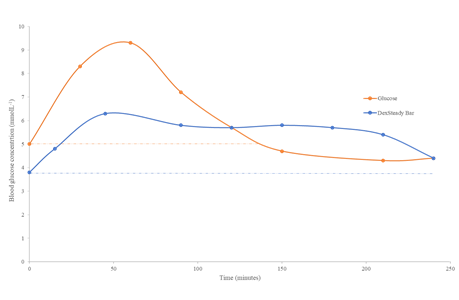 Figure 1. Blood glucose digestion profiles of DexSteady® bite compared to pure glucose
DexSteady Energy Supplements offer an optimised energy release profile to provide you with dextrose for up to five hours. Engineered to our own plant-based design, we are pleased to bring to market both our biscuit and gel delivery systems, suitable for a range of nutritional requirements.
Convenient to use within the home and when travelling. Can be eaten alone or during refreshment making them very versatile.
Universally glucose is critical in the diet. By managing the amount and source of glucose in the diet this aids health helping to control excess calorie consumption. Sustained release glucose avoids peaks and troughs of glucose and associated insulin responses for better physical and mental health especially cognition.
Hypoglycaemia (referred to commonly as low blood glucose) can affect us all at different times when blood glucose is low. DexSteady® helps elevate blood glucose concentrations to a more healthy and normal blood glucose range which is important when glucose is being depleted in the body. This is evident especially, during sport, with glycogen storage disease, liver disease and insulin induced hypoglycaemia in diabetics.
DexSteady Energy Bites
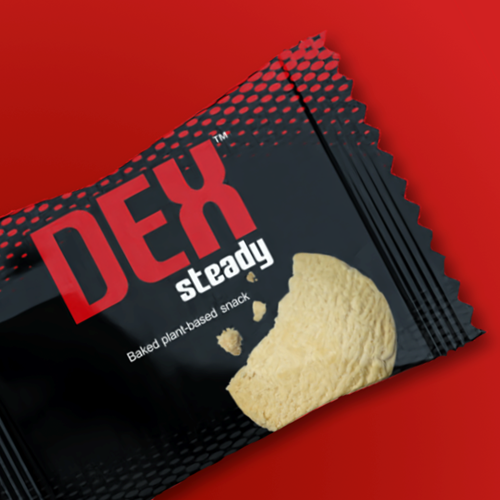
Sustained Energy
Blood glucose concentration management helping to manage hypoglycaemia over hours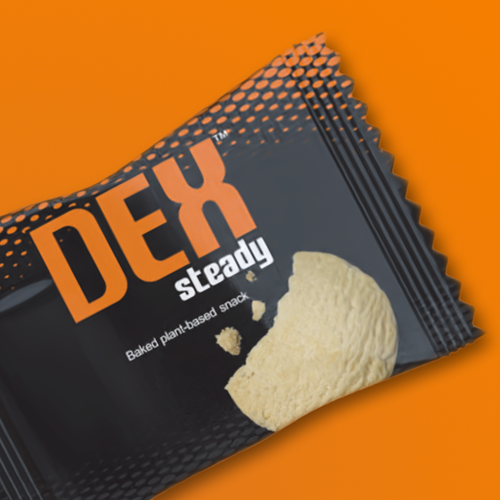
Sustained Energy with Extra Fibre
Wholewheat fibre provides additional gut-health benefits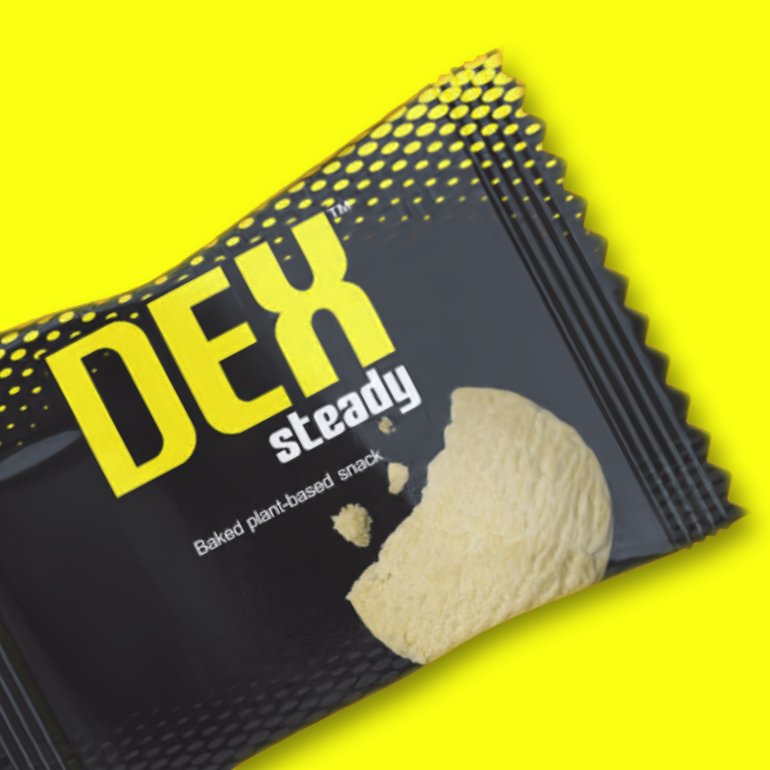
Sustained Energy Oat
Designed to release energy up to four hours from a oat (gluten free) base, with ß-gluten to provide additional blood glucose and cholesterol benefits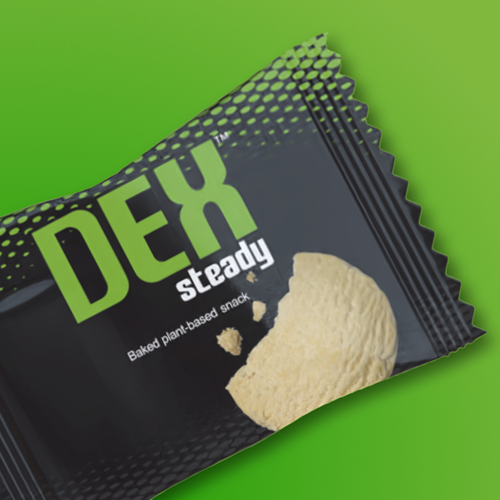
DexSteady Charcoal
To aid digestive comfort* In Development
DexSteady Added Protein
To support growth in health and disease where lifestyles require more protein* In Development
DexSteady Protein Free
To support disease states that require strict regulation of specific amino acid consumption* In Development
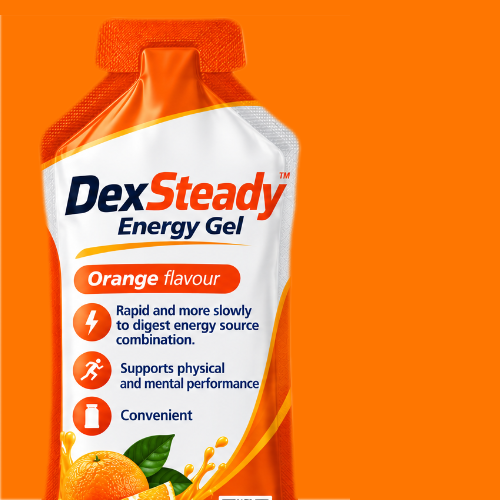
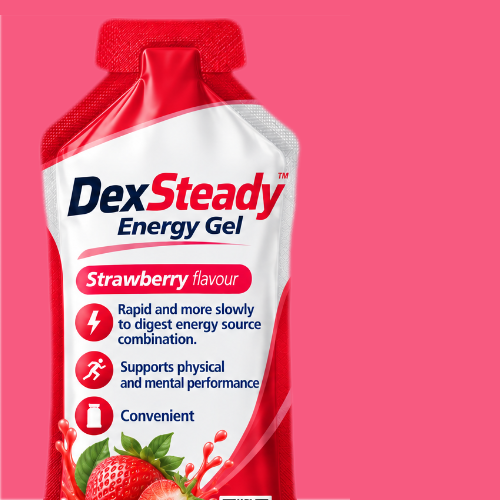
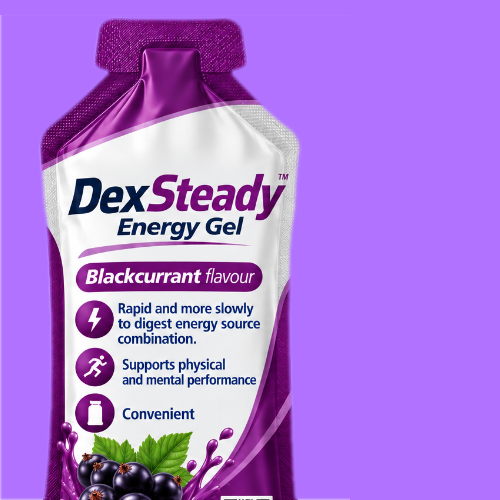
DexSteady Energy Gels
Why DexSteady
 |
 |
 |
Exercise, Sport, and Endurance
Carbohydrate loading and/or continuous access to glucose are important to provide energy for brain and body function during work, in excess of general maintenance of daily life, where the requirement will depend on the intensity and duration of work undertaken. Work depletes gradually glycogen stores where glucose needs to be replenished.
Sustained energy release from the digestive tract into the blood stream provides a valuable option to provide this glucose without the ups and downs of blood glucose concentration unlike regular consumption of rapidly digestible forms of glucose - such as in drinks and readily digestible food formats containing digestible carbohydrates.
Sustained release glucose foods are more convenient to carry than for example drinks containing sugars (typically soft drinks contain around eleven percent sugar although legislative changes in many jurisdictions with tax implications have reduced this to below five percent where artificial sweeteners may be added for additional sweetness); freeing space for water/electrolyte solutions to be carried as required.
Day to Day Living
Food and drink choices cause natural fluctuations of blood glucose concentrations. Sugars and rapidly digestible carbohydrates cause peaks in blood glucose concentrations which are managed and returned to resting concentrations by insulin which the body produces/releases in response. Alcohol consumption can lead to low blood glucose - especially in diabetics.
It is healthier to avoid regular peaks and troughs of blood glucose concentration and eat more sustained release dietary carbohydrates as glucose sources. The ‘reactive (postprandial) hypoglycaemia’ condition in some individuals occurs within four-hours of eating when blood glucose concentrations fall - due often to (excess) insulin release in response to dietary digestible carbohydrate (over) loading.
Fasting and weight control procedures/regimes can lead to low blood glucose concentrations too - including after bariatric surgery.
Clinically Related Hypoglycaemia
A number of clinical issues can lead to low blood glucose concentrations which include in-born errors of metabolism, organ disorders (endocrine and non-endocrine related), medication-induced and trauma. Low blood glucose concentrations may occur in diabetics due to response to treatment (with insulin typically) in excess of requirement (to lower blood glucose concentration).
This is countered/treated typically by the oral intake of glucose (liquids, gels and often in biscuit formats) to reinstate the blood glucose concentrations necessary to allow normal function. Sustained energy release nutritional products for diabetics may be useful to help manage blood glucose profiles.
Forms of glycogen storage disease (GSD) lead to low-blood glucose concentrations due to genetic deficiencies in enzyme activity responsible for storing and using the storage reserve of glucose, glycogen. For people carrying these GSD disorders, sustained energy release is important day and night to avoid low blood glucose and associated impacts on health.